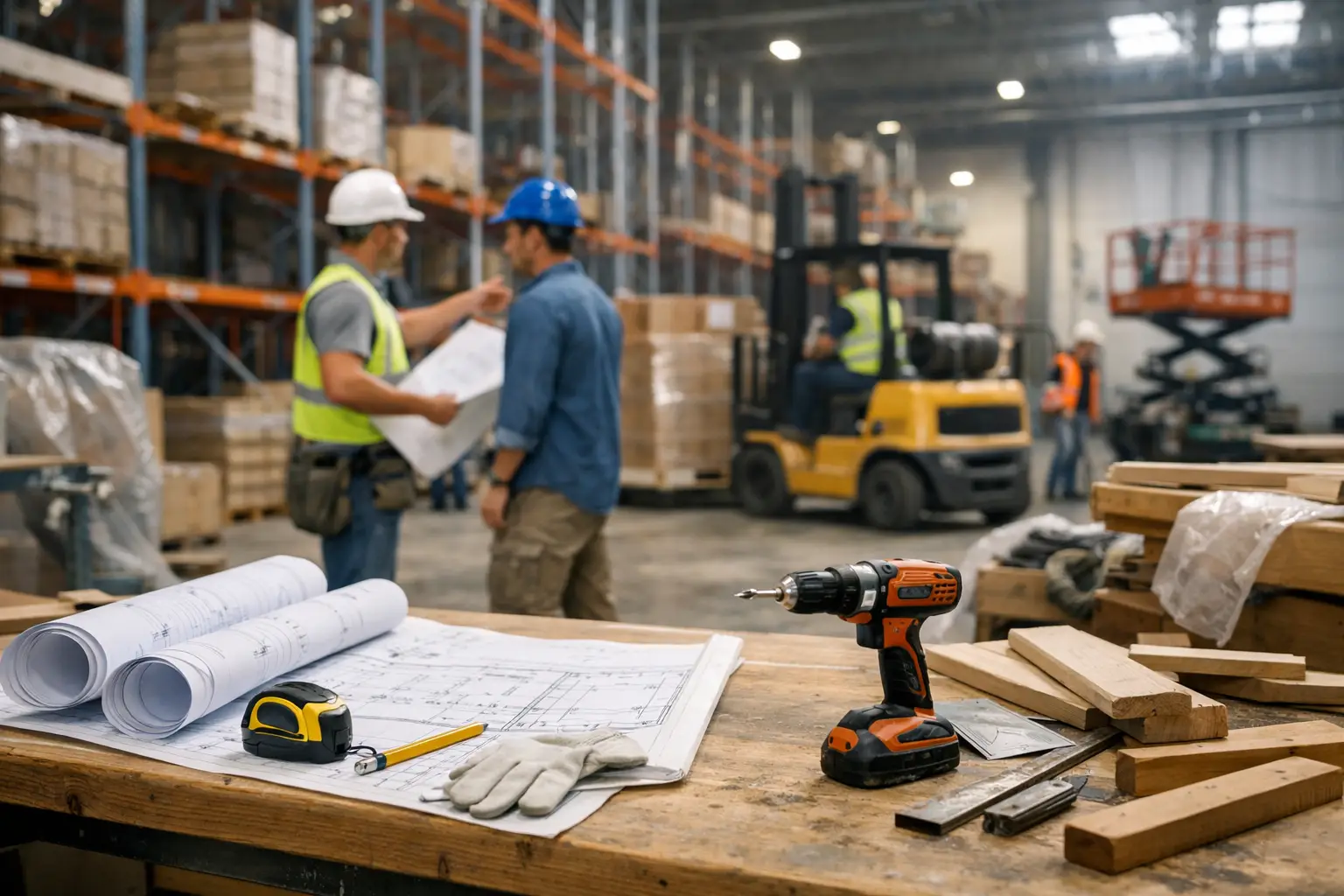
Warehouse Fit-Out Project History That Works
A warehouse fit-out rarely goes quiet because the work is simple. It goes quiet because updates are scattered, the site is busy, and everyone assumes someone else has already informed the client. Then the questions start. Has racking been installed? Were the office partitions approved? Did the MEP changes affect the handover date? A clear warehouse fit-out project history fixes that by turning weeks of fragmented activity into one visible record.
For fit-out contractors, builders, and specialist subcontractors, this is not just an admin issue. It affects trust. Clients are usually committing serious budget before they can see the finished space, and silence creates doubt fast. When the project history is unclear, teams spend time answering the same status questions, searching phones for site photos, and reconstructing decisions from old email threads.
CustomWorks.app
Keep clients updated without messy chats
Give each project a private feed for client updates — and keep a clear history of photos, videos, notes, stages, decisions, and delivery moments for your team.
Why warehouse fit-out project history matters more than teams expect
Warehouse projects have a different rhythm from smaller interior jobs. They often involve base build constraints, landlord requirements, fire safety approvals, M&E coordination, loading access, floor load considerations, mezzanines, welfare areas, offices, and operational deadlines tied to stock movement or go-live dates. That means progress is real long before the finished result looks impressive.
This is where project history becomes valuable. A good record shows that the project is moving even when it still looks unfinished to a client walking through once every two weeks. Ground prep, containment, cable runs, drainage changes, shutter installation, partition framing, dock equipment setup, and testing all matter. If those steps are invisible, clients can mistake active progress for delay.
There is also a commercial reason to care. Warehouse fit-outs generate a steady flow of small approvals and change points. If those decisions are not captured in order, disagreements appear later. A client may remember one finish, one layout, or one delivery sequence. The site team may remember another. A chronological project history gives both sides a cleaner reference point.
What a useful warehouse fit-out project history should include
The goal is not to document every minor movement on site. It is to create a practical timeline that helps the client understand what happened, what changed, and what comes next.
Start with visible milestones, but do not stop there. Many teams only record major stages such as strip-out, first fix, second fix, and handover. That is better than nothing, but it leaves big gaps during long projects. A stronger history also captures decisions, exceptions, constraints, and progress evidence between those milestones.
In practice, that often means short updates with photos, videos, and plain-language notes. If a sprinkler route changes because of a clash with racking, record it. If the client approves revised office glazing, record it. If the power upgrade is complete but commissioning is still pending, record it. Clients do not need a technical site diary. They need a clear narrative of progress.
The most useful project history usually includes five types of information: stage progress, visual proof, key decisions, changes to scope or timing, and handover-related updates. When one of these is missing, confusion tends to grow in that area. No visuals means clients feel disconnected. No decision record means arguments later. No change record means timeline shifts feel unexplained.
Where warehouse fit-out histories usually break down
The problem is rarely that teams refuse to communicate. The problem is that communication happens everywhere.
One supervisor sends progress photos on WhatsApp. The project manager emails a revised layout. Someone else texts a delivery update. A client replies to an older message thread with a question about flooring, while the latest M&E note sits in a separate inbox. A month later, nobody has one dependable version of the project story.
This gets worse on warehouse jobs because multiple workstreams move at once. Shell works, office fit-out, services, fire protection, security, and external access can all progress in parallel. If updates are spread across personal chats and inboxes, the client sees fragments rather than a coherent timeline.
There is a second issue: teams often communicate only when there is a problem. That creates a distorted history. The client gets messages when something slips, but not when good progress is made. Even if the project is broadly on track, the record feels negative because only exceptions were documented.
A better way to structure project updates
A useful fit-out project history should be chronological, visual, and easy for a client to follow without explanation. That sounds obvious, but many businesses still rely on methods built for internal coordination rather than client visibility.
A practical approach is to treat each update like a small checkpoint. Show what was completed, attach 2-5 relevant visuals, note any decisions or changes, and state the next expected step. That gives the client confidence without forcing your team to produce long reports.
The language matters too. Clients do not always want technical detail. They want clarity. Instead of writing that first fix containment is progressing in line with the reflected ceiling plan revision, say that cabling routes and overhead containment are now installed in the office area, and the team is moving toward lighting and final connections next. Same reality, less friction.
This is one reason some fit-out businesses use a client-facing update system such as CustomWorks rather than relying on email chains. A single private project feed keeps photos, notes, stages, changes, and delivery progress in one place, so the warehouse fit-out project history stays visible to the client throughout the job instead of being rebuilt afterward.
What clients actually want from project history
Most clients are not asking for daily detail. They are asking for reassurance.
They want to know the project is moving, that somebody is in control, and that surprises will be explained early. In a warehouse fit-out, that matters because delays have operational consequences. Move-in plans, staffing, inventory transfers, equipment installation, and compliance checks often depend on the build sequence.
A polished progress history helps with that, but honesty matters more than polish. If there is a delay on flooring because of substrate issues, record it clearly. Then explain the impact and next action. A calm, factual update builds more trust than silence followed by a rushed excuse.
Clients also value context. A photo of installed ductwork is helpful. A photo with a note explaining that ventilation is now complete in the packing zone and testing is booked for Friday is much better. The update tells them why the image matters.
The trade-offs to think about
Not every warehouse fit-out needs the same level of documentation. A short, low-complexity project may only need milestone-based updates. A phased distribution center fit-out with office space, welfare areas, specialist services, and landlord approvals will usually need a more detailed history.
There is also a balance between frequency and quality. Too many updates with little meaning can create noise. Too few and the client fills in the blanks with concern. For many teams, one or two solid updates per week works better than daily fragments.
Responsibility matters as well. If everyone can post updates but nobody owns consistency, the history becomes uneven. Usually the best setup is simple: site staff capture visuals, the project lead posts or approves updates, and the client sees one organized stream rather than mixed messages from different people.
Building a warehouse fit-out project history from day one
The easiest time to create a clean project record is at the start, not halfway through a confused job.
Begin with the basics: agreed scope, site condition, planned stages, and any known constraints. Then update the record as the project progresses. Keep each entry short, visual, and tied to a real event. If a decision changes the layout, finishes, timeline, or delivery plan, log it when it happens.
This approach does more than keep the client informed. It protects your team from repeat questions, reduces time spent searching for old information, and makes final handover easier. By the time the project is complete, you already have the story of the work in order.
That matters long after practical completion. Clients often come back with questions about what was installed, when a change happened, or how a specific area looked before final finishes went in. A usable project history gives you answers without detective work.
For warehouse fit-out teams, the real value is simple. When the client can see progress clearly, they ask fewer status questions, decisions stay easier to track, and the project feels managed rather than improvised.
A good project history does not need to be complicated. It just needs to be consistent enough that nobody has to guess what is happening on site.