Classic Car Restoration Progress Updates
A client drops off a 1967 Mustang, approves a serious budget, and then waits. Two weeks later, the first message lands: Any updates? A few days after that, another one asks for photos. Then the owner wants to know whether the rust was worse than expected, whether parts have arrived, and whether the timeline still holds. That is why classic car restoration progress updates matter so much. In restoration work, silence rarely feels neutral to the client.
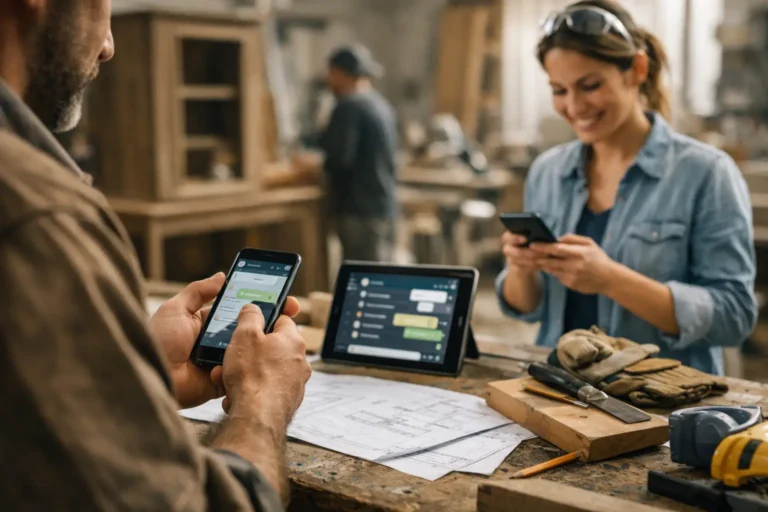
For restoration shops, the problem is not just communication volume. It is fragmentation. Photos sit on one phone. Parts notes live in a text thread. A change in scope gets discussed by email. Delivery timing gets mentioned during a call. Over a project that runs for months, that scattered communication starts costing time, trust, and control.
CustomWorks.app
Keep clients updated without messy chats
Give each project a private feed for client updates — and keep a clear history of photos, videos, notes, stages, decisions, and delivery moments for your team.
Why classic car restoration progress updates are hard to manage
Classic car restoration is not a linear service. It unfolds in layers. A car comes in for what sounds like a paint and trim refresh, then media blasting exposes structural corrosion, missing previous repairs, or poor filler work. Mechanical rebuilds can stall while waiting on machining, backordered components, or specialist subcontractors. The project changes because the car reveals new information as it comes apart.
That creates a communication challenge many shops underestimate. Clients are not just paying for labor and parts. They are paying for confidence that the project is moving, that decisions are documented, and that the shop is in control even when the plan changes.
The more custom and high-value the project, the less acceptable vague updates become. Saying “we’re making progress” may work once. After that, clients want proof. They want to see bodywork stages, engine teardown findings, trim samples, fabrication progress, and the real reasons behind delays or added work.
What clients actually want to see in restoration updates
Most clients do not need a full internal workshop system. They do not want to learn job codes or sort through technician notes. What they want is a clear project view that answers the questions they already have.
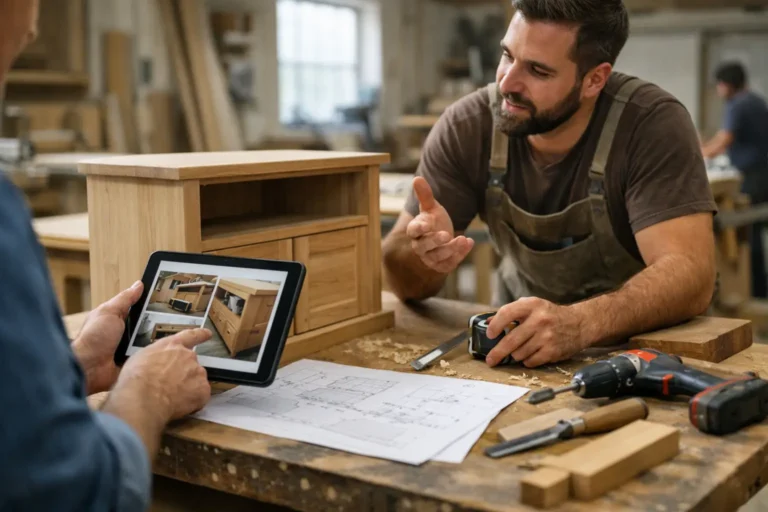
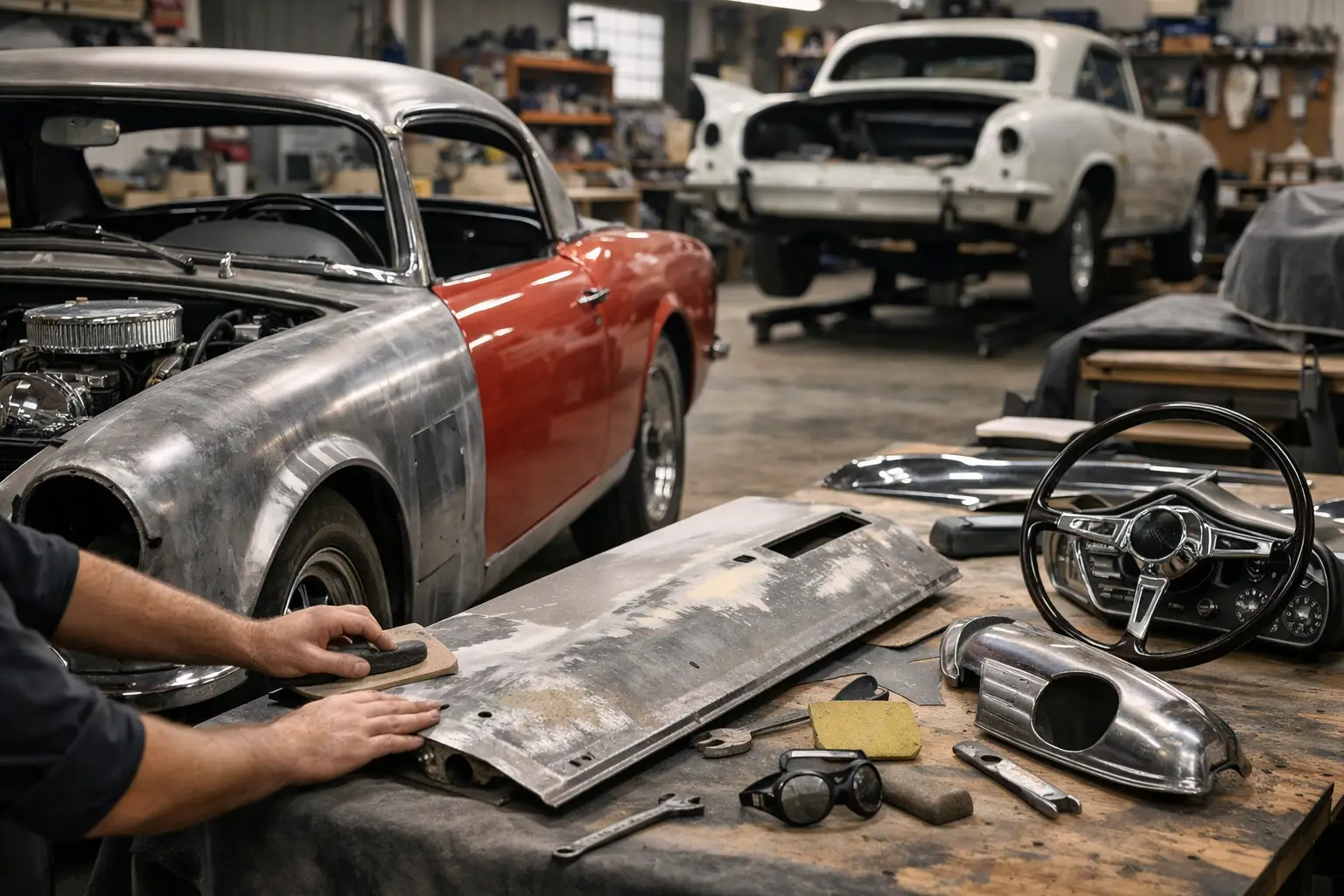
In a restoration context, that usually means visual updates first. Photos of stripped panels, repaired floor pans, rebuilt suspension assemblies, or test-fitted trim pieces do more than reassure. They reduce misunderstanding. A customer who sees the rust repair before primer is much less likely to challenge the extra hours later.
Short notes matter too, especially when they explain why something changed. If the original steering box is beyond repair, or a chrome supplier has added lead time, the client does not need a long essay. They need a short, clear explanation tied to the current stage of work.
Timing also matters. Clients are usually not asking for daily messages. They are asking because they feel a gap. Regular updates, even brief ones, remove that uncertainty before it turns into repeated calls and texts.
A better structure for classic car restoration progress updates
The shops that handle updates well usually follow a simple pattern. They do not wait until a client asks. They document work as it happens and organize it into a timeline the client can understand.
That timeline should reflect the way restoration actually progresses. Arrival and inspection come first, followed by teardown, findings, structural or body repair, parts sourcing, mechanical rebuild, paint preparation, finishing, reassembly, testing, and handover. Not every job will use every stage, and some stages overlap, but the structure gives clients a clear sense of where things stand.
Inside each stage, the most useful update format is usually a combination of photos, short video clips when movement matters, and a brief written note. This works because it balances proof with explanation. A photo of a bare shell on a rotisserie is useful. A photo with a note saying hidden corrosion was found in both rear quarters and repair panels are now being fabricated is much better.
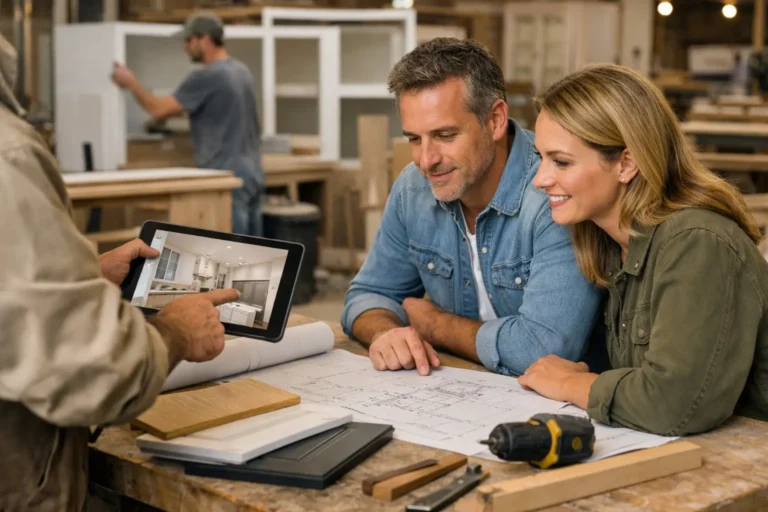
It also helps to log decisions where they happen. If the customer chooses a different paint code, approves replacement seats instead of restoring originals, or agrees to upgrade the braking system, that choice should sit in the visible project history. That reduces future disputes and saves the shop from digging through old messages.
What goes wrong when updates stay in chats and email
Many restoration businesses start with informal communication because it feels quick. A technician sends a few photos on WhatsApp. The owner replies to an email late at night. A parts delay gets mentioned in a voice note. For small jobs, that may seem manageable.
On a six-month or twelve-month restoration, it usually breaks down.
First, information becomes hard to retrieve. When the client asks whether the engine bay was painted before or after wiring, someone has to search multiple conversations. Second, decisions get lost. A customer may insist they never approved aftermarket wheels when the approval was buried inside a long thread. Third, the business starts looking less organized than it really is. Even strong technical work can feel less professional when communication is scattered.
This is where a dedicated client-facing update system makes a practical difference. Instead of using general chat tools as a project record, the shop creates one clear place where the client can follow progress over time. If your business handles long-running custom jobs and wants a cleaner way to present photos, videos, notes, stages, and delivery updates, CustomWorks at https://customworks.app is built for exactly that kind of communication.
How restoration shops can make updates easier without adding admin
One reasonable concern is workload. Many shop owners hear “better updates” and imagine more office time, more formatting, and more process overhead. That is a fair concern. If updating clients becomes too cumbersome, the system will not last.
The answer is not to create longer updates. It is to make updates easier to capture in the moment.
A technician already taking before-and-after photos for internal reference can reuse those images for the client timeline. A project lead who already knows a delay is caused by waiting on trim clips or machine work can post a short note in under a minute. The key is consistency, not polish.
It also helps to decide in advance when updates should happen. Some shops prefer weekly updates on active projects. Others post at each major stage and whenever a decision, issue, or delay affects scope or timing. There is no single perfect rhythm. A concourse restoration with extensive fabrication may need more frequent visual reporting than a lighter mechanical refresh. What matters is that the cadence feels reliable.
The business value is bigger than fewer status requests
Reducing “Any updates?” messages is a real benefit, but it is only part of the value.
Clear progress updates protect margins because they document added work as soon as it appears. They support approvals because clients can see what triggered the extra cost. They help maintain trust during slow or less visible phases, such as wiring, parts sourcing, or engine machine work, where progress is real but not always obvious from the outside.
They also improve handover. When the project is complete, the client is not just receiving a finished car. They are receiving a visual history of the restoration. That record has emotional value for the owner, but it also reinforces the professionalism of the shop. The business is not just saying the work was done carefully. It can show the sequence.
For shops that rely on reputation, this matters. Restoration clients are often detail-oriented, emotionally invested, and cautious with money. The quality of communication shapes how they talk about the business just as much as the quality of the paint or panel gaps.
What good update communication looks like in practice
A good update does three things at once. It shows visible evidence, explains what changed, and signals what comes next.
For example, if the shell has returned from blasting, the update might include several photos and a note that hidden corrosion was found in the lower fenders and trunk floor, repair sections are being prepared, and the original timeline will be revised after fabrication is assessed. That is far better than saying the car is “in bodywork.”
If parts are delayed, a useful update names the affected component, explains the impact, and states whether other work continues in parallel. Clients handle delays better when they can see the shop is still moving the project forward where possible.
If a major milestone is reached, such as first start after engine rebuild or final paint completion, that is the moment for a short video or a more substantial visual post. Not because it is flashy, but because those moments carry outsized reassurance.
Classic car restoration will always involve surprises. Hidden rust, missing parts, changed scope, and supplier delays are part of the work. The communication problem starts when those realities are discovered inside the shop but remain invisible to the client.
The fix is not complicated. Give each project a clear visual history, share updates before clients have to ask, and keep every stage, note, and decision in one place. When the work takes months, organized communication is not a nice extra. It is part of delivering the job properly.
A well-restored car tells its own story when it leaves the shop. A well-documented project tells that story while the work is still underway.