Sports Court Construction Updates That Build Trust
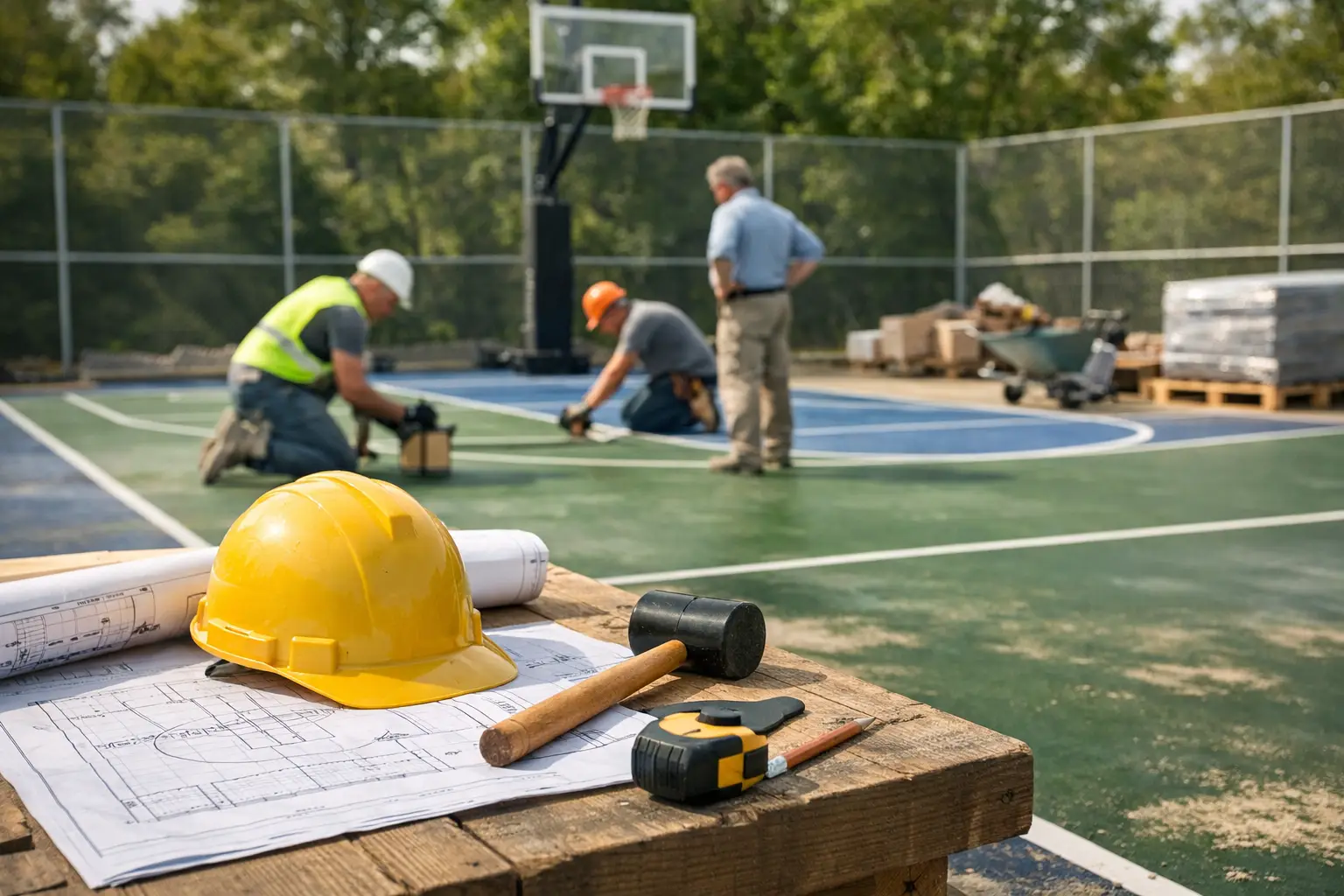
A sports court project can look unchanged for days, then suddenly move fast. One week is excavation and drainage, the next is base prep, surfacing, fencing, lighting, and striping. For the client, that uneven rhythm often feels like silence. That is why sports court construction updates matter so much – not as a courtesy, but as part of how the project is managed.
If you build tennis courts, pickleball courts, basketball courts, multi-sport surfaces, or school and community recreation spaces, you already know the pattern. Clients pay a deposit, work begins, and then the messages start. Any updates? Are we still on schedule? Has the surfacing arrived? Did the weather delay anything? None of those questions are unreasonable. The problem is what happens when the answers live across texts, email threads, phone calls, and photos buried in a supervisor’s camera roll.
CustomWorks.app
Keep clients updated without messy chats
Give each project a private feed for client updates — and keep a clear history of photos, videos, notes, stages, decisions, and delivery moments for your team.
For companies running long, custom projects, updates are not separate from delivery. They shape how professional the job feels while it is happening.
Why sports court construction updates affect the whole project
Most client frustration on court projects does not come from bad intent. It comes from low visibility. A client might visit the site and see dirt, forms, or a compacted base and assume little has happened. Your team knows that subgrade correction, drainage work, curing time, and material sequencing are real progress. The client often does not.
That gap creates avoidable pressure. Project managers repeat the same explanations. Site leads stop to send ad hoc photos. Office staff search for the latest version of a decision about fence height, post color, or logo placement. When communication is scattered, even a well-run project can feel disorganized.
Clear updates solve a different problem than scheduling software or internal task management. They answer the client’s question: what has happened, what changed, and what comes next? That sounds simple, but on a sports court build, it has real operational value.
It reduces repeated status requests. It gives context when weather or curing time affects sequencing. It creates a record of site conditions, approvals, and installed work. It also protects your team from the common issue of clients remembering a conversation differently a few weeks later.
What good sports court construction updates actually include
The best updates are not long reports. They are short, visual, and tied to real milestones.
On a court project, clients usually care about visible progress, timeline movement, and decisions that affect the final result. That means an update should show what was done, include a photo or short video when possible, and make the next step easy to understand. If there is a delay, say what caused it and what happens now. If a choice is needed, make the decision point clear.
For example, an excavation update is more useful when it explains that unsuitable material was removed and drainage levels were corrected, not just that groundworks are underway. A surfacing update works better when the client can see the color applied and know when line painting is scheduled. A fencing update should note whether posts are installed, mesh is next, and whether gate hardware is still pending.
The point is not volume. It is clarity.
The stages where clients need updates most
Not every phase creates the same level of client concern. Some stages naturally trigger more questions.
Early site work is one of them. Before the court shape becomes visible, clients often struggle to connect site activity with progress. This is where photos of grading, drainage trenches, stone base layers, and compaction results can help. They make invisible work visible.
Material lead times are another pressure point. Posts, fencing systems, sports lighting, acrylic surfacing products, and accessories do not always arrive in a neat sequence. If a client knows materials are ordered, expected, delayed, or on site, they are less likely to assume the project has stalled.
Weather-sensitive stages also need better communication than most teams give them. Base installation, concrete pours, asphalt work, acrylic surfacing, and line marking all depend on conditions. Clients usually accept weather delays if they understand why the delay protects quality. They get frustrated when they only see inactivity.
Final detailing matters too. By the end of the project, the client is paying attention to the finish. That is when updates about net systems, color coats, striping accuracy, fencing completion, lighting tests, and handover preparation create confidence.
Why scattered communication breaks trust
A sports court build can run for weeks or months depending on scale, weather, approvals, and extras. Over that time, communication tends to spread. A site photo gets sent by text. A color choice is approved by email. A drainage issue is discussed on a call. A revised completion estimate is mentioned in a message thread that someone later cannot find.
That is where projects start feeling messy from the client side.
Even if your team is doing solid work, scattered updates make the experience feel uncertain. Clients should not have to reconstruct the story of their own project from five channels and three different people. When they do, they ask for updates more often, not less.
A structured, client-facing update history gives the project a clear timeline. Photos, notes, changes, and milestones sit in one place. That matters for sports court contractors because so much of the value is visual. Clients want to see the court taking shape. They want reassurance that the build is moving and that key details have been handled.
For companies that want a cleaner way to manage this, platforms like CustomWorks are built around private client update feeds rather than internal project management. That distinction matters when the real problem is not task tracking inside the team, but keeping the client informed without relying on scattered chats and long email threads.
A practical system for better updates
If your current process depends on someone remembering to send a few photos at the end of the day, it will break under pressure. A better system is usually simpler than people expect.
Start with stage-based updates. On a sports court project, that might mean one update at site prep, one after base completion, one at surfacing, one at fencing and accessories, and one at final completion. Then add exception updates for delays, changes, or decisions.
Keep each update short. A strong format is straightforward: what happened, what the client is seeing in the photos, whether anything changed, and what comes next. This avoids the common mistake of sending images with no explanation or writing long text without proof.
Ownership also matters. If everyone is responsible for updates, no one is. Usually the best setup is that site staff capture photos and quick notes, while one project lead or coordinator posts the client-facing update in a clean format. That keeps the message consistent.
It also helps to think in terms of client anxiety points, not just internal milestones. Your crew may see curing time as normal. The client may see an empty site for three days and assume a problem. Good updates close that perception gap before it turns into unnecessary follow-up.
What to say when progress is slow or plans change
This is where many companies go quiet, and that is usually a mistake.
Sports court construction does not move in a perfectly straight line. Rain can delay surfacing. Existing ground conditions can require more base work. Access issues can change equipment planning. A supplier can push back delivery on fencing or lighting. Clients can usually handle changes when the communication is direct and early.
The update should explain the issue plainly, state the effect on the schedule, and tell the client what action is being taken. There is no need for defensive language. In fact, overexplaining often makes a delay sound worse. Calm, specific communication works better.
For example, if acrylic surfacing is postponed due to humidity or temperature, say that conditions were not suitable for a quality finish and confirm the revised installation window. If subgrade problems were found, explain that additional correction is needed to avoid future movement or drainage failure. That frames the delay around quality and risk control, which is usually the truth.
Better updates create a more professional business
Clients judge your company on more than the final court. They judge how the project felt while it was underway.
A clean update process shows control. It signals that the team is organized, that decisions are documented, and that the project is moving through clear stages. This matters for private homeowners, schools, sports clubs, developers, and municipalities alike, though the level of detail may vary.
It also helps your team internally. When photos, notes, approvals, and stage changes are easier to find, handovers improve and fewer details get lost. That can reduce friction well beyond client communication.
For sports court builders, the practical standard is simple: if a client asks for an update, they should already have one. When that happens consistently, fewer questions come in, fewer details go missing, and the project feels more solid from start to finish.
The work on site will always matter most. But on long projects, the way progress is shown matters almost as much.