Architectural Metalwork Project Updates That Work
When a stair system, balustrade package, facade feature, or custom steel detail is in production, silence creates problems fast. Architectural metalwork project updates are not just a courtesy to the client – they are part of how a shop protects trust, keeps decisions moving, and avoids the constant stream of “Any news on this?” messages that interrupt real work.
This is especially true for custom metalwork. Lead times can stretch over weeks or months. Site conditions change. Finishes get revised. Coordination with architects, contractors, and owners rarely happens in a straight line. If your update process still lives across email threads, text messages, and scattered site photos, the work may be progressing fine while the client experience feels unclear.
CustomWorks.app
Keep clients updated without messy chats
Give each project a private feed for client updates — and keep a clear history of photos, videos, notes, stages, decisions, and delivery moments for your team.
Why architectural metalwork project updates matter so much
Architectural metalwork sits in an awkward space between manufacturing and construction. Clients often expect the visibility of a construction project, but many fabrication teams communicate like a workshop. That gap creates anxiety.
From the client’s perspective, a deposit has been paid, drawings may have been approved, and then not much seems visible for a while. In your shop, a lot is happening: engineering checks, material sourcing, programming, mockups, fabrication sequencing, weld prep, surface finishing, and coordination with installers. The problem is not lack of activity. The problem is lack of visible progress.
Good updates make invisible work visible. They show that the project is moving, even when the finished piece is still weeks away. They also reduce the risk that clients assume delays where there are none, or miss real decisions that need attention.
For metalwork businesses, the benefit is operational as much as relational. Fewer status-chasing calls. Less time rewriting the same explanation for different stakeholders. A cleaner record of what was shared, when it was shared, and how changes were communicated.
The biggest communication problems in metalwork jobs
Most architectural metalwork teams do not struggle because they lack expertise. They struggle because project communication gets fragmented.
One photo is on a supervisor’s phone. A finish sample note is buried in email. A site measurement update is sitting in a messaging app. The client asks about powder coating progress, and someone has to piece together the answer from three different people. That may work on a small, simple job. It breaks down quickly on larger or more bespoke packages.
The issue becomes more serious when multiple stakeholders are involved. A GC wants install timing. An architect wants confirmation on detail execution. The end client wants reassurance that the project is on track. If each person gets different fragments of information, confusion grows even when the work itself is under control.
There is also a professionalism issue. High-value custom work should feel structured from start to finish. When communication is scattered, even excellent craftsmanship can appear less organized than it is.
What clients actually want from project updates
Most clients do not want a technical production log. They want clarity. They want to know what has been completed, what is happening now, what is coming next, and whether any decision or change affects timeline, cost, or final appearance.
That means the best architectural metalwork project updates are usually simple, visual, and tied to clear stages. A few progress photos from fabrication. A short note that material cutting is complete. A video of a trial assembly. A record that finish approval was received. A delivery update once install dates are locked.
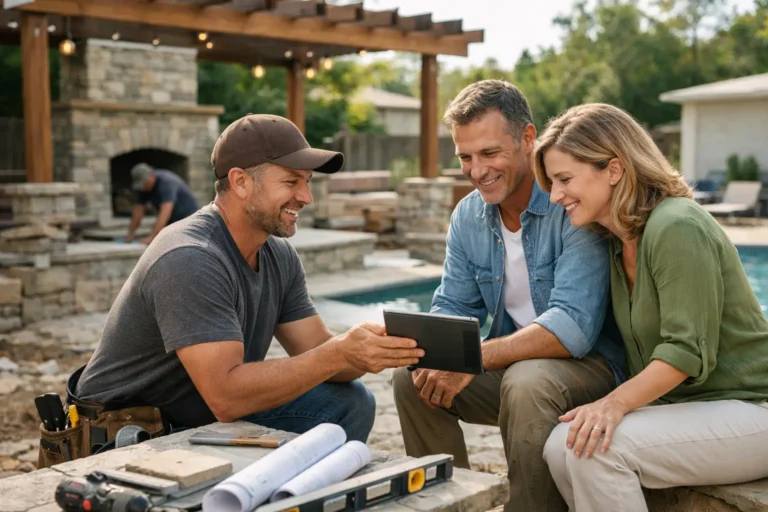
The level of detail depends on the client. A private homeowner commissioning a feature staircase may care more about appearance and schedule confidence. A contractor may care more about readiness, dependencies, and site coordination. An architect may want reassurance that design intent is being executed properly. The format can stay simple, but the emphasis should match the audience.
What effective architectural metalwork project updates should include
A useful update does not need to be long. It needs to answer the questions clients already have before they ask them.
Start with stage-based progress. In metalwork, that might mean design approval, material procurement, workshop fabrication, finishing, pre-install review, delivery, and installation. When clients can see where the project sits in that sequence, they feel more oriented.
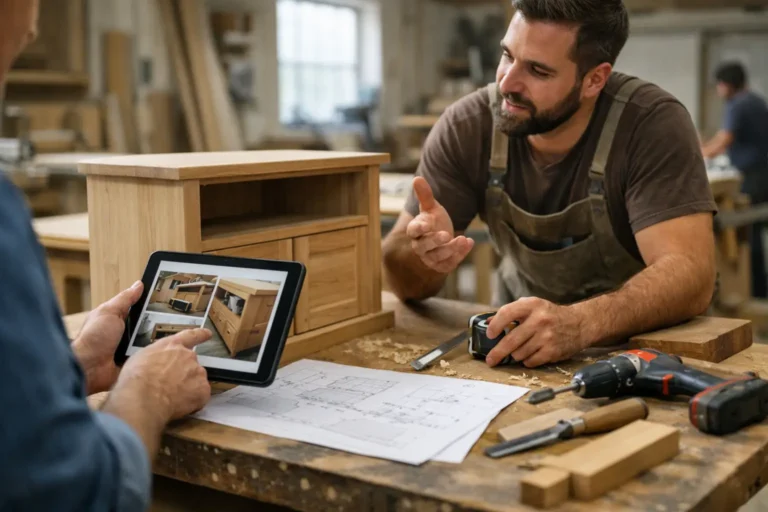
Then add visual proof. Photos and short videos do more than paragraphs ever will, especially in architectural metalwork where progress can be hard to explain in words. A partially assembled frame, a close-up of joinery, or a finish sample under workshop lighting gives clients confidence that work is real and specific.
Brief notes matter too. They provide context for what the client is seeing. A simple line such as “Main balustrade sections welded and cleaned, now moving to final surface prep” is enough to make a photo meaningful.
Changes and decisions should be documented in the same place. If a site measurement forced a bracket adjustment, or an approved finish changed after a sample review, that should live alongside the rest of the project history. Otherwise, those moments disappear into inboxes and become disputes later.
Finally, timeline signals are useful, but they should be realistic. Overpromising is worse than being measured. If finishing depends on a supplier lead time or install depends on site readiness, say so clearly.
A better way to structure updates without creating more admin
Many teams resist formalizing updates because they assume it will create extra work. That concern is fair. If the process turns into another internal reporting layer, it will not last.
The better approach is to build updates from work that is already happening. Supervisors already take site photos. Fabricators already mark milestones. Project leads already explain changes to clients. The goal is not to create more communication. It is to collect it in one client-friendly timeline.
For example, one short update per meaningful stage is usually enough. Not daily. Not every minor movement. Just the moments that matter: approved drawings, materials arrived, fabrication started, key assembly complete, finish in progress, ready for delivery, install complete, snagging resolved.
That rhythm gives clients consistent visibility without overwhelming them or your team. It also reduces the need to compose fresh responses every time someone asks for status.
This is where a client-facing update system can help. A platform like CustomWorks gives each project a private feed where your team can post photos, videos, notes, stages, changes, and delivery updates in one clear place. For long-running custom work, that keeps communication organized without turning the client into a participant in your internal project management.
Where updates make the biggest difference in metalwork projects
Some phases create more client uncertainty than others. The first is the gap between deposit and visible fabrication. If you do not explain engineering review, material scheduling, or drawing confirmation, clients often assume nothing has started.
The second is finishing. Metal finishes are appearance-critical, and clients can get nervous here. A short update showing sample approval, prep progress, or coating completion can prevent a lot of avoidable concern.
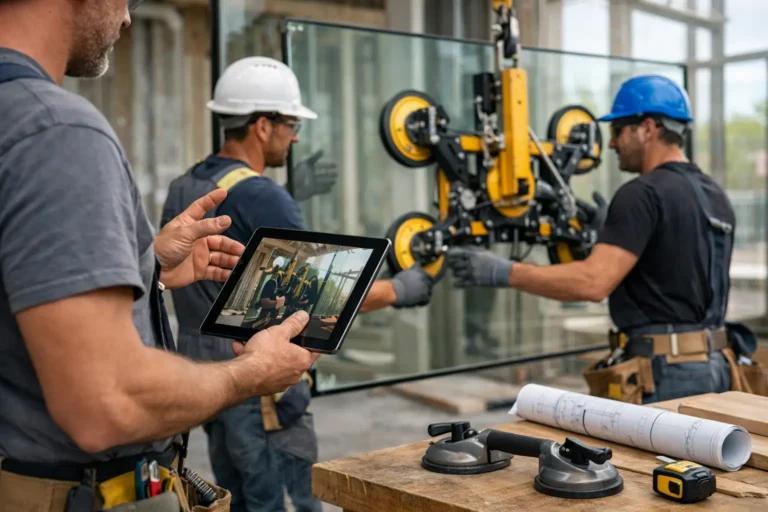
The third is the handoff from workshop to site. Delivery timing, access requirements, and install dependencies need clear communication because this is where your project touches other trades. Vague updates at this stage often create friction outside your own scope.
The fourth is change management. Architectural metalwork projects rarely stay perfectly static. If dimensions, fixing details, or finishes shift, those updates need to be visible and timestamped. Quiet changes are where trust tends to erode.
What good project visibility looks like to the client
From the client’s side, a strong update process feels calm. They do not need to chase. They do not need to search old emails for a missing photo. They do not need to wonder whether a requested change was acknowledged.
Instead, they can look at one organized project history and understand the story of the work. What was approved. What has been made. What changed. What comes next. That kind of visibility does more than reduce messages. It changes how your business is perceived.
For companies delivering premium custom metalwork, that matters. Clients are not only paying for fabrication. They are paying for confidence that the job is being handled professionally.
There is still a balance to strike. Too many updates can become noise. Too few create uncertainty. The right level depends on project complexity, client expectations, and how much coordination is involved with outside parties. But almost every metalwork business can improve by being more consistent, more visual, and more organized.
Architectural metalwork is detailed work, and the communication around it should be just as deliberate. When clients can see progress clearly, trust tends to hold steady even on long, complex jobs.