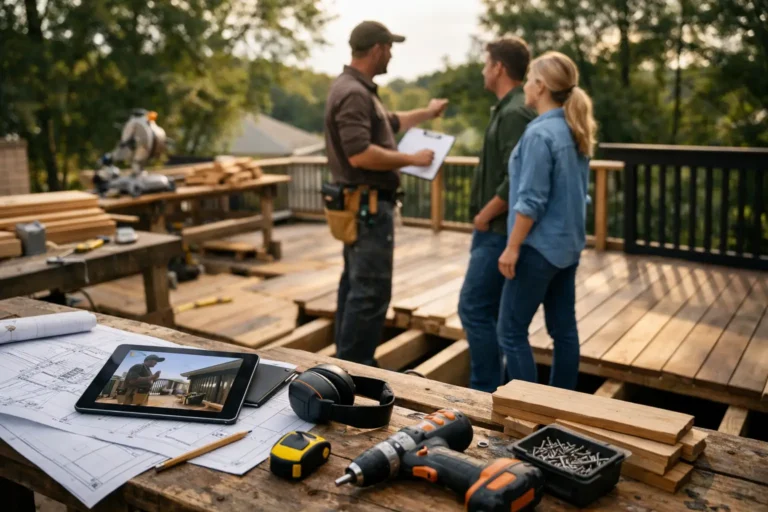
Garden Room Project Updates That Clients Want
A garden room job often goes quiet at exactly the wrong moment. The client has paid a deposit, the old patio has been cleared, materials are on order, and then a week passes with nothing visible from their side. That is when “garden room project updates” stop being a nice extra and become part of the job itself.
For companies that design and build garden rooms, silence creates unnecessary pressure. Clients start chasing for news. Teams repeat the same answers across calls, texts, and email. Photos sit on someone’s phone. Decisions about cladding, electrics, glazing, or layout get buried in message threads. The build may still be on track, but the client experience starts to feel disorganized.
CustomWorks.app
Keep clients updated without messy chats
Give each project a private feed for client updates — and keep a clear history of photos, videos, notes, stages, decisions, and delivery moments for your team.
The good news is that this problem is usually not about workmanship. It is a communication structure problem. When updates are consistent, visual, and easy to follow, clients feel informed even when progress is happening in stages they do not fully see.
Why garden room project updates matter so much
Garden rooms are highly visual, highly customized projects. Clients are not buying a standard product off a shelf. They are paying for something designed for their space, their use case, and their budget. That makes the waiting period more sensitive than it would be for a simple installation.
A typical garden room project has several points where the client may feel uncertain. Groundworks can look messy before they look finished. Lead times for doors, windows, or insulation can create gaps between visible milestones. First fix electrical work is important but not always impressive in photos. Final finishes often arrive near the end, even though the team has been making steady progress for weeks.
From the client’s perspective, that can feel uneven. From the company’s perspective, it is normal project flow. Clear updates bridge that gap.
Good updates do three things at once. They show that work is moving, they explain what stage the project is in, and they create a record of what was agreed along the way. That combination reduces anxiety and gives your team a more professional way to manage client expectations.
What clients actually want from project updates
Most clients do not need a full site diary. They want reassurance, clarity, and visibility. That means the best garden room project updates are usually short, specific, and visual.
A strong update might include two or three site photos, a brief note on what has been completed, what happens next, and whether any decisions are needed from the client. That is enough to answer the question behind most status requests: is my project progressing as expected?
It also helps to remember that clients interpret silence differently from project teams. Internally, no update might simply mean the team is waiting on materials or lining up the next trade. Externally, no update can look like drift. That is why a small update is almost always better than none.
There is some nuance here. Too many updates can create noise, especially if they repeat the same information. Too few updates create uncertainty. For most garden room businesses, one update at each meaningful stage is a sensible baseline, with extra updates for visible progress, client decisions, changes, or delivery timing.
The stages where garden room project updates help most
The most useful update structure usually follows the actual shape of the project.
Before site work starts
This is where expectations are set. A short update confirming schedule, access arrangements, planned start date, and any final pre-start requirements gives the client confidence that the job is organized.
Groundworks and base preparation
This stage often creates the biggest mismatch between effort and perception. A client may see excavation, framing, leveling, and drainage work as disruption rather than progress unless it is explained clearly. Photos and a simple note on why this stage matters can prevent unnecessary concern.
Structure going up
This is one of the easiest moments to update because the visual change is obvious. Framing, roof structure, external shell, and openings for doors and windows help the client see momentum. It is also a good stage to confirm any changes that affect layout or finish.
First fix and internal works
This stage matters more than it looks. Electrical routes, insulation, plasterboard, and internal prep are rarely the most exciting images, but they are the foundation for the finished space. A quick explanation helps clients understand why the room may still look unfinished even though major work is being completed.
Finishes, fitting, and handover
This is where updates shift from progress reporting to completion confidence. Final cladding, flooring, decoration, joinery, lighting, and snagging notes reassure the client that the project is being closed out properly, not rushed over the line.
What makes an update feel professional
Professional does not mean complicated. In practice, it means the client can quickly understand where things stand without digging through old messages.
The strongest updates usually include a date, a stage label, a few relevant photos or a short video, a plain-English explanation, and any action needed from the client. If there is a delay or change, say so directly and explain the impact. Clients handle changes better when they are told early and clearly.
This is where many teams run into friction. They already have the information, but it is scattered. Photos are in WhatsApp. Delivery notes are in email. Decisions were agreed on a call. Progress updates are sent ad hoc depending on who remembers. That works until the project gets busy or the client starts asking for a clear history.
For businesses managing multiple builds at once, a structured client-facing update feed is often the cleaner option. A platform like CustomWorks gives each project a private timeline for photos, videos, stage notes, changes, and handover updates, so clients can see progress without chasing the team across different channels.
Common mistakes with garden room project updates
One of the most common mistakes is waiting until there is “enough” to show. In reality, clients usually prefer steady visibility over occasional big updates. If there has been productive work on site or an important planning step in the background, that is worth communicating.
Another mistake is sending updates only when something goes wrong. That trains the client to associate communication with problems. Regular updates make delays or changes easier to handle because they sit within an established pattern of transparency.
Some companies also overload updates with technical detail. There is a place for precision, especially when discussing scope changes or technical constraints, but most clients want the practical version first. What was done, what happens next, and whether anything needs their input.
Finally, avoid spreading updates across too many places. A text message for one photo, an email for a schedule note, and a separate call about cladding choices may feel efficient in the moment, but it creates a weak project history. Later, both your team and the client struggle to piece together what happened and when.
A simple rhythm that works
For most garden room companies, the best approach is not daily reporting. It is a reliable rhythm tied to milestones.
Start with a pre-start update. Then post when groundworks begin, when the structure is installed, when first fix is complete, when finishes are underway, and when the project reaches handover. Add extra updates for delays, scope changes, key design decisions, or particularly visible progress.
This approach respects both sides. The client gets enough visibility to stay confident. The team avoids the admin burden of reporting every minor activity. It also gives sales and operations teams a more polished experience to present from the start, which matters when clients are comparing suppliers who may all promise similar build quality.
In a market where trust is won over weeks, not minutes, communication becomes part of the product. A well-built garden room still matters most, but the experience around it matters more than many companies think. If clients can see the story of the project as it happens, they ask fewer anxious questions, decisions stay clearer, and the final handover feels more controlled.
That is the real value of better updates. They do not just keep clients informed. They make the whole project feel properly managed.