Custom Home Building Project Timeline
A custom home rarely feels slow at the beginning. The client is excited, drawings are moving, selections seem manageable, and everyone assumes the pace will hold. Then permits take longer than expected, a window package gets pushed back, site conditions change, and the custom home building project timeline starts to stretch in ways the client did not fully anticipate.
That is usually where communication becomes just as important as construction. For builders and design-build teams, the real problem is not only how long a project takes. It is how clearly that timeline is explained, updated, and documented while the work is happening.
CustomWorks.app
Keep clients updated without messy chats
Give each project a private feed for client updates — and keep a clear history of photos, videos, notes, stages, decisions, and delivery moments for your team.
What a custom home building project timeline usually includes
Most custom homes move through a predictable set of phases, even if the exact timing varies by region, budget, design complexity, and permitting environment. A realistic timeline often lands somewhere between 10 and 20 months from early planning to final completion. Simpler homes on straightforward lots can move faster. Complex homes with heavy customization, difficult sites, HOA approvals, or premium imported materials can take much longer.
The key point for clients is that a timeline is not a single block of time. It is a chain of dependent stages. If one stage slips, later stages often shift with it. That is why broad promises like “we should be done by summer” create problems. Clear phase-based communication works better.
Pre-construction sets the pace
Before excavation starts, a lot of the schedule is already being determined. This phase often takes 2 to 6 months, and in some markets it can take longer.
Design, engineering, and approvals
Architectural design alone can move quickly if the client knows what they want. It can also drag on if layouts keep changing, square footage expands, or high-end custom features are added mid-process. Structural engineering, energy requirements, surveys, soil reports, and local code reviews all add time.
Permitting is the biggest wildcard here. Some municipalities review plans in a few weeks. Others take months, especially if revisions are requested. If the project also needs zoning variances, septic approval, utility coordination, or HOA sign-off, the schedule gets less predictable.
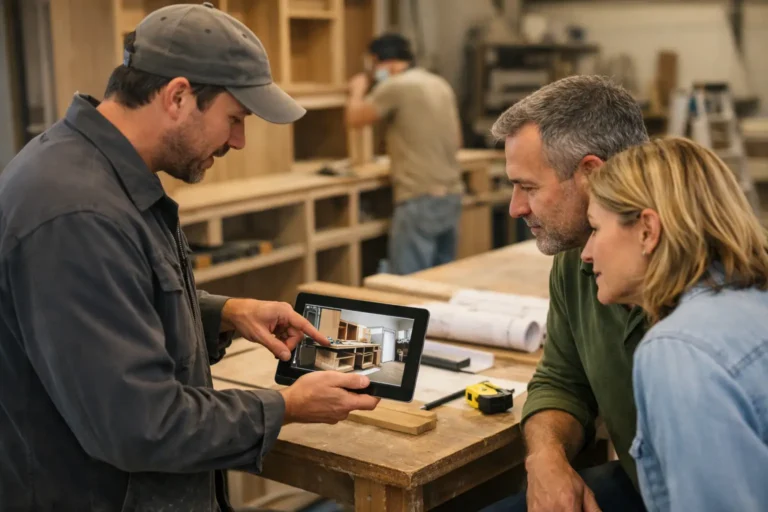
This is one of the first places where builders benefit from visible client updates. Clients often interpret silence during pre-construction as inactivity, even when the team is actively handling reviews, revisions, and paperwork.
Budget alignment and selections
Selections made early can protect the build schedule later. Roofing, windows, cabinetry, flooring, appliances, and specialty fixtures all affect sequencing. If a client delays key choices, procurement may slip behind framing or drywall milestones.
That does not mean every finish must be finalized before the build starts. It means the builder should identify which selections are schedule-critical and communicate those deadlines clearly.
Site work and foundation
Once permits are in place, the field schedule begins to feel more visible. Site prep and foundation work often take 1 to 2 months, depending on weather, grading needs, access, and soil conditions.
Clearing, excavation, temporary utilities, drainage setup, and foundation pours can move quickly on a clean site. They slow down when rock removal, water management, unstable soils, or unexpected underground issues appear. Inspection timing also matters. Even short pauses between steps can affect momentum.
From the client’s perspective, this phase can feel dramatic because visible activity begins. It is a good time to document progress with photos and short stage updates, especially when much of the work is technical and not easy for a homeowner to interpret.
Framing and dry-in are major milestones
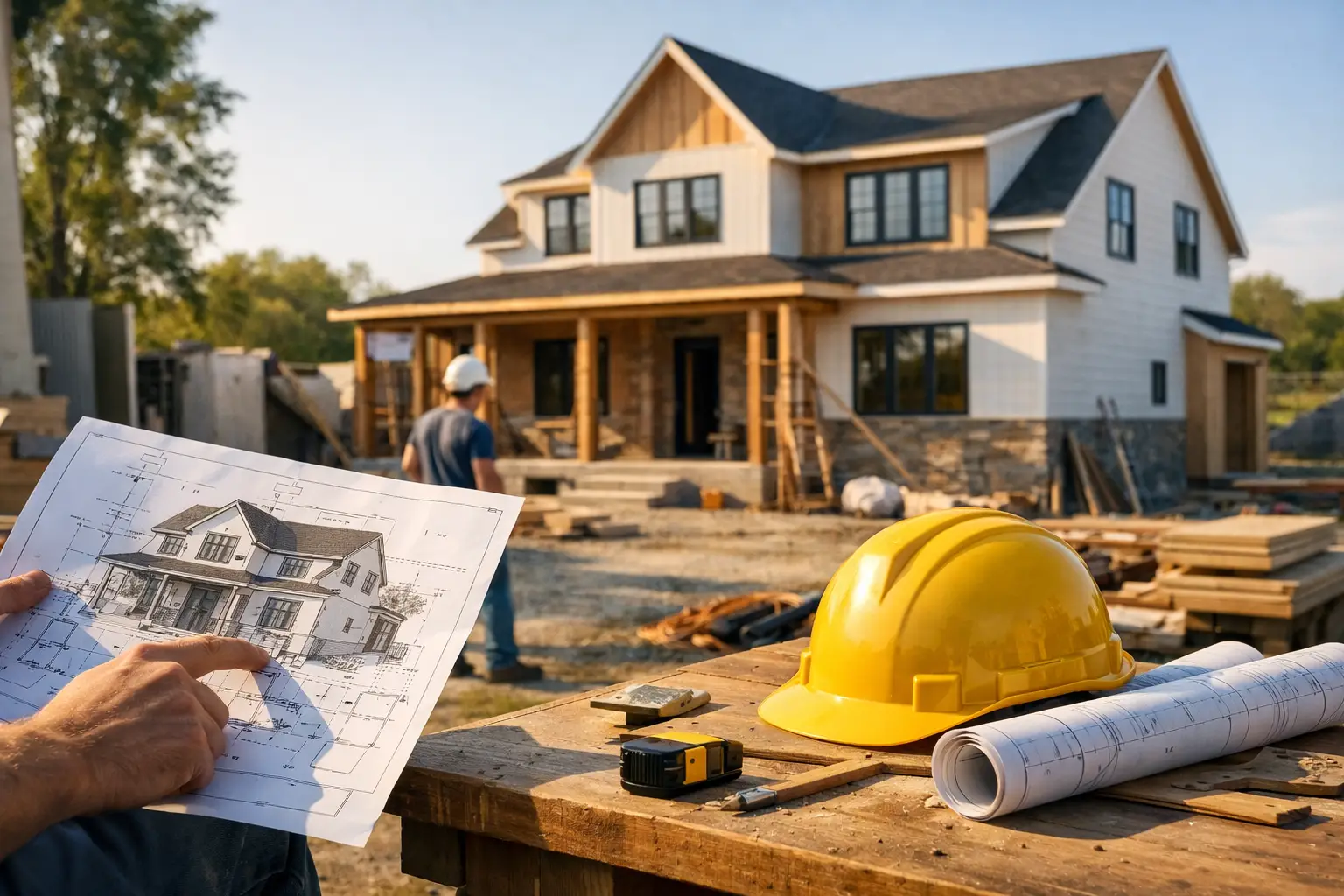
Framing, sheathing, roofing, windows, and exterior doors usually take 2 to 4 months. This is often the stage clients associate with rapid progress because the home suddenly looks real.
But this phase is also highly sensitive to material lead times and trade coordination. Engineered lumber delays, custom window packages, weather exposure, and inspection waits can all push the schedule. If the home has complex rooflines, large spans, steel integration, or unusual exterior detailing, framing takes longer than clients expect.
Dry-in matters because it protects the structure and opens the door for interior trades. When builders explain this milestone clearly, clients better understand why certain weeks matter more than others.
Rough-ins and interior systems take time
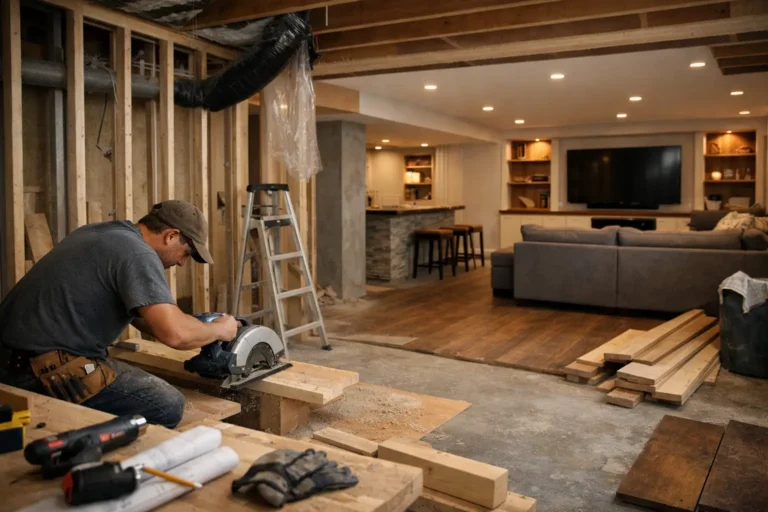
After framing, the home moves into mechanical, electrical, plumbing, and HVAC rough-ins. This phase, plus insulation and drywall, often takes 2 to 3 months.
This is where coordination becomes critical. Trades are working in sequence, inspections are required between steps, and changes become more expensive. If a client moves outlets, revises lighting plans, changes bathroom layouts, or adds smart-home features after rough-in starts, the schedule can shift quickly.
These are also the weeks when clients ask for the most updates because progress is less visually obvious from the outside. The house may look almost unchanged for days at a time even though major systems are being installed behind the walls.
For companies that want to reduce repetitive status requests, this is where a structured client-facing update feed helps. A simple record of photos, brief notes, completed stages, and upcoming decisions gives clients visibility without forcing the team into constant back-and-forth. That is the communication gap platforms like CustomWorks are built to solve.
Interior finishes are where timelines expand
Finish work often takes 2 to 4 months, and this is one of the most variable parts of any custom home building project timeline. Cabinets, tile, trim, painting, flooring, countertops, lighting, plumbing fixtures, and final carpentry all depend on both sequencing and product availability.
This stage looks close to completion, which makes clients more schedule-sensitive. They see painted walls and installed cabinets and assume handover is near. In reality, finish details, punch corrections, final fixture deliveries, inspections, and startup testing still need to happen.
It is also the phase most exposed to client-driven change. A last-minute tile swap, custom millwork revision, or appliance model change may seem minor from the client side, but it can affect trades already booked in sequence. Builders who explain these trade-offs early tend to protect trust later.
Final inspections, punch, and handover
The last stretch usually takes several weeks, sometimes longer. Final inspections, certificates of occupancy, punch list items, commissioning, cleaning, and turnover documentation all happen here.
This phase is often underestimated because the house looks done before it is actually ready to hand over. Small defects, code comments, hardware adjustments, missing parts, and manufacturer service visits can all hold up completion.
For the client, this is the stage where communication needs to be especially precise. Vague messages like “just wrapping up a few things” can create frustration. Specific updates work better: final electrical sign-off completed, shower glass installed, paint touch-ups scheduled, occupancy inspection booked for Thursday.
What causes delays in a custom home timeline
Most delays are not caused by one major failure. They come from accumulated friction across approvals, decisions, labor, materials, and weather.
Permitting delays are common and often outside the builder’s control. Long-lead materials are another major factor, especially for custom windows, specialty finishes, imported tile, and certain HVAC or electrical components. Labor availability also changes the timeline. A project may be ready for the next trade, but the next trade may be booked.
Client decision speed matters more than many homeowners realize. A builder can hold a clean schedule, but if key selections remain open past procurement deadlines, the field timeline starts to bend around those gaps. Design changes after work begins are even more expensive in time.
Weather is the obvious variable, but it is not the only external one. Utility companies, inspectors, surveyors, and third-party fabricators all influence the schedule without being under the builder’s direct control.
How to present the timeline without creating false certainty
The best project timelines are specific but not overly rigid. Giving clients one final date without context usually backfires. A better approach is to show major phases, estimated ranges, milestone dependencies, and known decision points.
For example, it is more useful to say framing is expected to run four to six weeks depending on weather and window delivery than to promise one exact completion date. That does not make the schedule weaker. It makes it more honest.
It also helps to separate three things clients tend to blend together: the planned timeline, the current status, and the reasons for change. When those are visible in one place, the builder looks organized and the client feels less need to chase updates.
Why visibility matters as much as speed
A delayed project with clear communication often feels better managed than an on-time project with poor communication. Clients can handle complexity. What they struggle with is silence, mixed messages, and lost context spread across texts, calls, and email threads.
For custom builders, remodelers, and design-build firms, the practical goal is not constant messaging. It is structured visibility. When progress photos, stage updates, changes, and key decisions are documented in a simple timeline, clients see movement even during slower phases. That reduces anxiety and cuts down on “Any updates?” messages that pull project managers off productive work.
A custom home timeline will always have variables. The companies that handle it best are not the ones pretending every date is fixed. They are the ones making the process legible, phase by phase, so the client can follow the build without guessing what is happening next.
That level of clarity does more than keep a project calm. It makes the whole business look more professional.