Camper Van Build Updates That Clients Value
A camper van client who has already paid a deposit does not want silence for three weeks, then a surprise invoice, then a rushed handover date. They want to see movement. That is why camper van build updates matter so much in custom van conversion work. They are not just a courtesy. They are part of how you keep trust steady while a complex, high-value project moves through design changes, fabrication delays, electrical work, and finish decisions.
For van builders, the problem is familiar. The work is happening, but the client cannot see it. Meanwhile, your team is busy sourcing parts, fitting insulation, routing wiring, checking appliances, resolving layout issues, and coordinating trades. From the client side, that often looks like nothing. Silence creates uncertainty, and uncertainty creates messages, calls, and follow-up emails asking the same question in different ways: any updates?
CustomWorks.app
Keep clients updated without messy chats
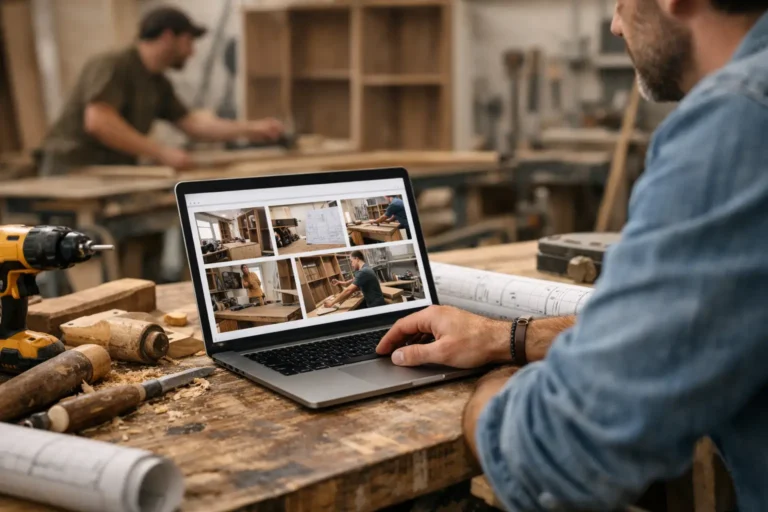
Give each project a private feed for client updates — and keep a clear history of photos, videos, notes, stages, decisions, and delivery moments for your team.
Why camper van build updates matter more than most teams expect
A camper van conversion is not a simple purchase. It is a custom project with a long timeline, a large spend, and a lot of personal expectation attached to it. Clients are not only buying materials and labor. They are buying a future trip, a lifestyle change, or a vehicle they may have imagined for months.
That emotional and financial weight changes how communication is perceived. If updates are irregular or scattered, even good progress can feel unclear. A team may feel productive internally while the client feels ignored externally. That gap is where friction starts.
Good updates do three practical things. First, they reduce avoidable status requests. Second, they make changes and decisions easier to track. Third, they make your business look more controlled and professional. In a market where many custom builders still rely on text threads, ad hoc photo dumps, or occasional phone calls, simple structured communication stands out.
What clients actually want from camper van build updates
Most clients do not need a technical project management dashboard. They are not asking for your internal tasks, supplier notes, or workshop planning board. They want visible proof of progress, clear explanations, and confidence that the job is moving forward.
That usually means a steady feed of photos, short videos, brief notes, and simple stage-based progress. They want to know when the strip-out is done, when framing starts, when electrics are in, when cabinetry is fitted, when finishes are being completed, and when delivery is getting close. They also want key changes recorded clearly, especially when something affects cost, timing, or specification.
The format matters as much as the content. If those updates live across WhatsApp, email, camera rolls, and different team members’ phones, the history gets messy fast. Information becomes hard to find, and clients start asking again because they do not know where the latest version lives.
The common mistake: treating updates as extra admin
Many van builders know they should communicate better, but updates often get pushed aside because the workshop is busy. That is understandable, but it usually creates more work later.
When updates are treated as optional, they become inconsistent. One client gets ten photos in a week, then nothing for twelve days. Another gets a long voice note but no images. Another receives separate answers from sales, production, and the owner. None of this is malicious. It is just what happens when communication has no clear structure.
The trade-off is simple. You can spend a small amount of time creating regular updates, or a larger amount of time responding to reactive client questions, repeating the same explanations, searching for old photos, and untangling what was agreed last week.
For long-running custom projects, structured communication is not bureaucracy. It is a way to protect team time while keeping the client informed.
What good camper van build updates look like in practice
The strongest updates are usually short, visual, and tied to a clear moment in the build. A few workshop photos with one or two lines of explanation often do more than a long email full of general reassurance.
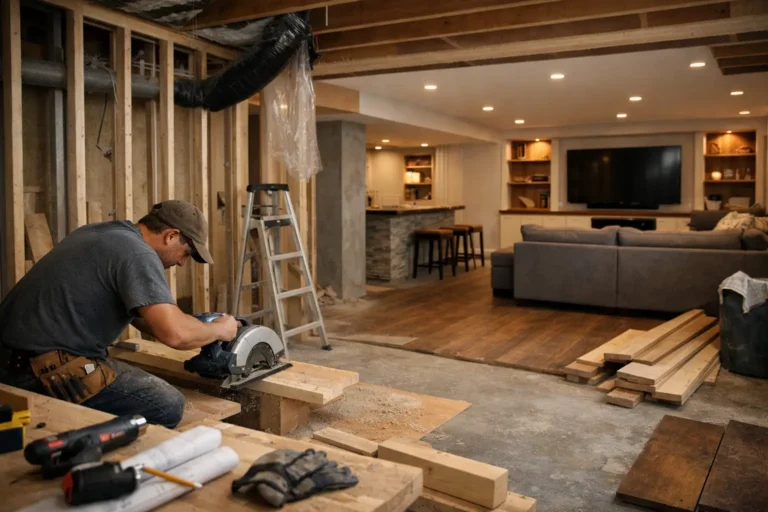
For example, if the floor insulation and subfloor are complete, say that plainly and show it. If the electrical first fix is underway, show cable runs, battery placement, or panel preparation, then explain what stage comes next. If a parts delay affects a fitting date, record it clearly along with the revised expectation.
This is where many businesses overcomplicate things. Clients do not need polished marketing content. They need visibility. A quick progress video from the workshop, a photo of installed cabinetry, a note confirming a material choice, or a message explaining a design adjustment can be enough.
Consistency matters more than production value. Weekly updates usually work well for active projects, though some builds benefit from milestone-based updates instead. It depends on the project pace and the level of customization. A highly bespoke off-grid conversion with multiple design decisions may need more frequent touchpoints than a simpler, repeatable layout package.
The best structure for client-facing update flows
A useful structure follows the build itself. Start with the early stages, such as vehicle intake, strip-out, survey, and confirmed specifications. Then move through insulation, windows, framing, electrics, plumbing, heating, cabinetry, finishing, testing, snagging, and handover preparation.
That gives clients a clear timeline they can understand without needing technical knowledge. It also helps your team post updates in a repeatable format. Instead of reinventing communication for every build, you create a predictable rhythm: stage, photos, note, any decision needed, next step.
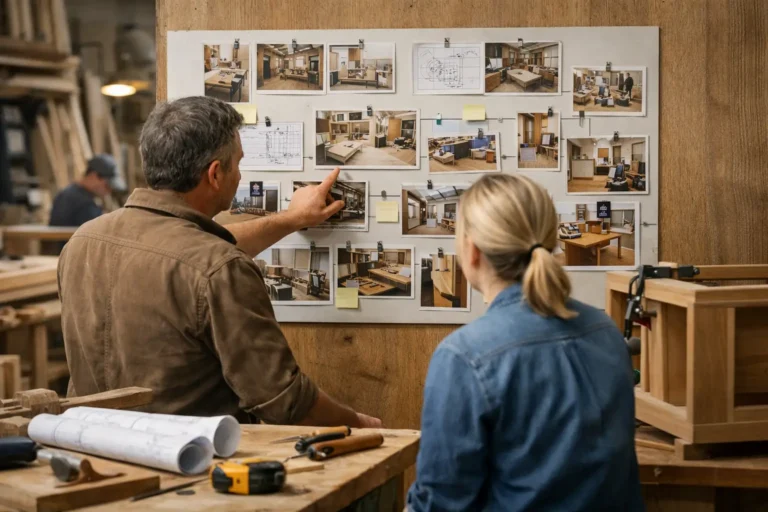
This approach also improves accountability. If a question comes up later about when something was changed or approved, the project history is easier to follow. You are not digging through long message threads trying to remember whether the client approved the black hardware before or after the revised galley layout.
For companies handling multiple builds at once, this becomes even more important. The more projects you run, the more dangerous scattered communication becomes. A single, private client-facing feed can keep the story of each build in one place, which is exactly the kind of visibility platforms like CustomWorks are designed to provide.
What to include and what to leave out
Not every internal detail belongs in client updates. The goal is clarity, not noise. Clients benefit from updates that show progress, explain decisions, document changes, and signal what is next. They do not usually need every workshop complication or every internal scheduling shuffle unless it directly affects delivery or scope.
There is a balance here. Too little detail creates anxiety. Too much detail creates confusion. The right level depends on the client and the project. Some clients want a close look at every stage. Others mainly want reassurance that the build is moving and that you will flag anything important.
A practical rule is to include anything the client would reasonably care about later. That includes visible progress, major installation milestones, approval points, scope changes, timing changes, and delivery-related updates. Leave out the clutter that does not help them understand the project better.
Why this improves sales as well as delivery
Camper van build updates are usually seen as a delivery issue, but they also affect future sales. Clients remember the experience of being kept informed. When the communication feels calm and organized, the whole business feels more trustworthy.
That matters in a referral-heavy market. Prospective clients often ask past customers what the process was like, not just whether the van looked good at handover. If your past clients say they always knew what was happening, could see the progress, and did not have to chase for information, that becomes a competitive advantage.
It also protects your reputation when timelines shift. Delays happen in custom build work. Parts go out of stock. Hidden issues appear after strip-out. Design choices change mid-project. Clients are usually far more accepting of changes when they have a visible history of steady work and honest communication behind it.
Start simple, then make it consistent
If your current process is fragmented, the answer is not a heavy system. Start with a basic structure your team can actually maintain. Decide who posts updates, how often they happen, what format they follow, and where the full history lives.
Even a small improvement can make a noticeable difference. One clear place for photos, videos, short notes, stage progress, and change records is often enough to cut down repeated messages and make the client experience feel more professional.
For camper van builders, good communication does not mean turning the workshop into an office. It means making progress visible in a way clients can follow without effort. When clients can see the build taking shape, they ask fewer questions, trust the process more, and arrive at handover already confident in the work they paid for.
That is the real value of updates. They do not just report progress. They help the project feel under control from the client’s side, which is where trust is either reinforced or quietly lost.